Why Men’s Mental Health Matters: Signs, Risks, and What Often Goes Unseen
Men’s mental health affects families, workplaces, and whole communities—but it often hides in plain sight. While many men experience anxiety, depression, trauma, or substance use, they may not show traditional signs like sadness or frequent crying. Instead, symptoms can appear as irritability, anger, risk-taking, workaholism, physical complaints, or withdrawal from relationships and hobbies. When these changes become persistent, they signal emotional distress that deserves skilled, compassionate attention.
Unaddressed mental health challenges can impact sleep, blood pressure, appetite, energy, and immune function. The mind-body connection is real: chronic stress can aggravate pain and gastrointestinal issues, while mood symptoms can make it harder to exercise, eat well, or follow medical recommendations. For many men, the first stop is a primary care visit for headaches, back pain, or fatigue—yet beneath those symptoms may be burnout, grief, trauma, or untreated ADHD. Early recognition and referral to appropriate care are essential to prevent crises and protect long-term well-being.
Relationship dynamics are another common pressure point. A man who feels constantly “on alert” might become short-tempered, quieter, or more controlling, creating distance with a partner or children. Conversely, some men over-function in one domain—like work—while silently struggling with loneliness or a sense of failure in another. Both patterns can fuel shame and isolation. Naming these patterns without judgment is the first step toward relief and reconnection.
It’s also important to acknowledge intersections with identity, culture, and life stage. Veterans and first responders may face elevated rates of PTSD; new fathers can experience perinatal mood changes; men in high-demand jobs may live with chronic stress; older men may battle loneliness or loss of purpose after retirement. Across all of these experiences, a respectful, evidence-based approach can reduce suffering and restore agency. When care is personalized and delivered by a trusted team, men are more likely to engage, grow, and sustain recovery.
Stigma, Myths, and Access: Clearing the Path to Help
One of the most persistent barriers to men’s mental health is stigma—the belief that asking for help signals weakness. Many men learned to “tough it out,” minimize feelings, or equate vulnerability with failure. Cultural narratives can reinforce the idea that real strength means self-reliance at all costs. In reality, courage looks like taking an honest inventory, naming what hurts, and choosing support that aligns with one’s values and goals.
Myths also keep men from reaching out. Therapy isn’t just “talking about feelings.” Modern, skills-forward approaches target performance, problem-solving, and resilience. Cognitive behavioral strategies can sharpen focus and reduce overthinking; trauma-informed care can settle an overactive stress response; behavioral activation helps jumpstart motivation; and couples work can transform communication. In short, effective care emphasizes practical tools and measurable progress—outcomes most men appreciate once they experience them.
Access and fit matter, too. Time constraints, cost, and concerns about confidentiality are real. Many clinicians now offer secure telehealth, extended hours, and collaborative care that coordinates with primary providers. Programs can incorporate stepwise intensity—from weekly outpatient sessions to intensive outpatient or day programs—so support matches the moment. Peer and group options offer camaraderie and accountability, while family-inclusive sessions help loved ones understand symptoms and support change without blame.
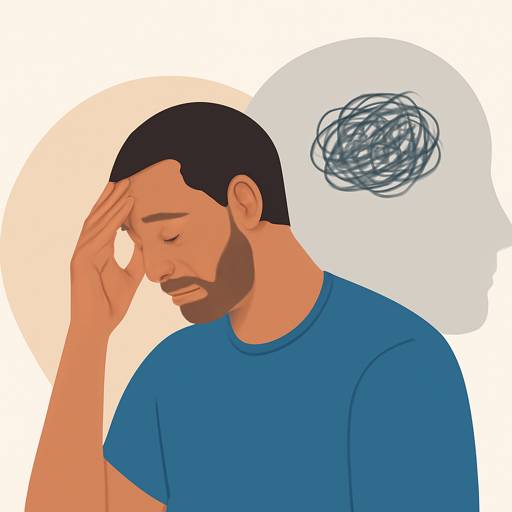
Language and culture also shape engagement. Inviting men to optimize “mental fitness,” sharpen decision-making, or protect their most important roles—partner, parent, provider, community member—can resonate more than generic messages about wellness. Educational resources and community events, especially those timed to awareness observances, can make first steps easier. For additional context and actionable ideas, see this resource on mens mental health.
Clinics that center collaboration, education, and integrative care lower the threshold for starting. A well-coordinated team listens first, clarifies priorities, and builds a tailored plan—one that respects privacy and fits a man’s responsibilities. When care is framed as strengthening what already works and solving what gets in the way, men discover that the bravest move is also the most practical: getting the right help at the right time.
What Effective, Integrative Treatment Looks Like for Men
An effective plan for men’s mental health is comprehensive and personalized, drawing on evidence-based therapies, medical support when appropriate, and lifestyle strategies that reinforce change. Many men benefit from cognitive behavioral therapy to identify unhelpful thought loops and practice new responses. Acceptance and commitment therapy builds psychological flexibility, helping men align actions with core values even under stress. For trauma, modalities like EMDR or trauma-focused therapies can reduce triggers, nightmares, and hypervigilance. If ADHD or bipolar disorder is part of the picture, careful assessment and medication management can transform daily functioning and stabilize mood.
Integrated substance use support is vital when alcohol or other substances have become coping tools. Rather than moralizing or shaming, a modern approach explores function (“What problem is this solving?”) and replaces it with safer, more effective strategies. Skills for craving management, stress regulation, and social planning help men maintain progress in real-life contexts—work trips, celebrations, or difficult conversations.
Because mental and physical health are deeply connected, lifestyle interventions are powerful accelerators. Sleep optimization can lower reactivity and improve concentration. Strength and aerobic training boost mood and protect cognitive health. Nutritional strategies stabilize energy and reduce inflammation that can amplify anxiety or brain fog. Mindfulness and breath-based techniques are especially useful for men who “live in their heads”; brief, structured practices train the nervous system to downshift quickly. These are not extras—they are core elements of personalized treatment that sustains results.
Structured levels of care match support to severity. Outpatient therapy offers weekly momentum. Intensive outpatient programs provide multiple sessions per week, layering individual, group, and family work. Partial hospitalization/day programs deliver concentrated support without a full inpatient stay. Safety planning and crisis response protocols add a protective buffer during high-risk periods. Throughout, measurement-based care tracks progress with brief, validated questionnaires so men can see gains in sleep, stress, focus, and mood—data that keeps motivation high.
Real-world scenarios illustrate how integrative care comes together. Consider a new father juggling long shifts and sleepless nights who develops irritability, panic, and heavy evening drinking. A targeted plan might combine CBT for anxiety, couples sessions to rebalance duties and expectations, sleep coaching, and a nonjudgmental alcohol reduction protocol. Within weeks, he reports fewer panic episodes, better communication, and improved sleep. Or take a mid-career professional with chronic back pain, anger outbursts, and burnout. Treatment might pair ACT for values-driven decision-making, trauma-informed care to address a prior accident, physical therapy coordination, and structured exercise—resulting in reduced pain, steadier mood, and renewed engagement at work and home.
What ties these plans together is a collaborative relationship and ongoing education that builds self-efficacy. Teams like those at Cedar Hill Behavioral Health emphasize partnership, clarity, and steady skill-building—meeting each man where he is, then walking with him as he advances. With the right mix of therapy, medical insight, and lifestyle design, men don’t just reduce symptoms; they learn durable tools to lead, relate, parent, and perform with integrity and ease. That is the promise of modern, integrative care for men—and it is within reach.

Oslo drone-pilot documenting Indonesian volcanoes. Rune reviews aerial-mapping software, gamelan jazz fusions, and sustainable travel credit-card perks. He roasts cacao over lava flows and composes ambient tracks from drone prop-wash samples.