Clothes dryers move enormous volumes of warm, moist air every time a load runs. When that air can’t escape freely, lint and moisture linger in the vent, the dryer works harder, and the risk of a dangerous fire rises. In a climate like Madison, Wisconsin—where frigid winters and humid summers create frequent condensation—this problem accelerates. Dryer vent cleaning restores healthy airflow, reduces operating costs, and protects both people and property. Whether you own a historic home on the Near East Side or manage a busy apartment building downtown, regular maintenance of this hidden exhaust pathway is one of the smartest, most cost-effective steps you can take to improve safety and performance.
Many households diligently clear the lint screen, yet significant debris still accumulates in the duct behind the dryer and along the vent run to the exterior wall or roof cap. Over time, that build-up chokes airflow, stresses components, and traps heat. Professional attention goes beyond surface cleaning to clear concealed elbows, long runs, rooftop terminations, and pest obstructions—issues that make a dramatic difference for both fire safety and everyday convenience.
Why Dryer Vent Cleaning Matters: Safety, Performance, and Indoor Air Quality
Lint is extremely combustible. A partially blocked vent turns a routine drying cycle into a system that runs hotter and longer, with a concentrated fuel source lining the duct. This combination is exactly what makes neglected vents a known fire hazard. The heating element, gas burner, or drum friction can ignite built-up fibers, while restricted airflow prevents heat from dissipating. In gas dryers, severe blockage can also contribute to exhaust gases flowing back into the home. Proper ventilation safeguards against both ignition and potential carbon monoxide concerns.
Performance problems often show up gradually. What used to dry in 40 minutes suddenly takes 90. The dryer feels hot to the touch, or the laundry room gets stuffy and humid. You might smell a faint burning or musty odor, notice excessive lint collecting around the dryer door gasket, or see little to no air movement from the outside hood while the machine runs. Modern dryers may even flash a “check vent” error. These are clear indicators that the vent needs attention. With a clear exhaust path, heated air moves freely, moisture escapes quickly, and clothes dry in fewer cycles—saving time, energy, and wear on fabrics.
Indoor air quality benefits are real, too. When a vent is restricted, steam and lint can spill into the laundry area, raising humidity and leaving fine particulates behind. Over time, that moisture can condense on cool surfaces, fueling odors or microbial growth. In households with pets or allergy sensitivities, these conditions compound discomfort. A clean, correctly vented system helps maintain drier, cleaner spaces—an important factor in tightly sealed Madison homes designed for winter efficiency. Reducing run time also lowers the heat load and strain on bearings, rollers, and belts, extending appliance life and minimizing unexpected breakdowns.
How Professional Dryer Vent Cleaning Works (and When to DIY)
A thorough cleaning begins with an inspection to understand the vent’s layout: total length, number of elbows, the type of transition duct behind the dryer, and where the vent exits—sidewall, attic, or rooftop. Pros often measure baseline airflow at the exterior and check for visible issues like crushed flex hose, lint-packed elbows, damaged hoods, or stuck dampers. In some cases, technicians use cameras or airflow gauges to pinpoint bottlenecks that can’t be seen from either end.
The cleaning itself typically uses a combination of rotary brushing and high-powered vacuum or compressed air whip systems to agitate and extract debris from end to end. A professional will clear the transition duct, the main vent, and the exterior termination, ensuring the damper flap moves freely. Where appropriate, they’ll replace unsafe materials—like thin vinyl or plastic hoses—with compliant, smooth-walled metal or UL-2158A–listed transition duct. Connections are secured with clamps and foil tape (not screws that can snag lint), then the dryer is leveled and positioned without crushing the duct. Finally, airflow is rechecked to confirm improvement, and the exterior hood is verified for proper operation.
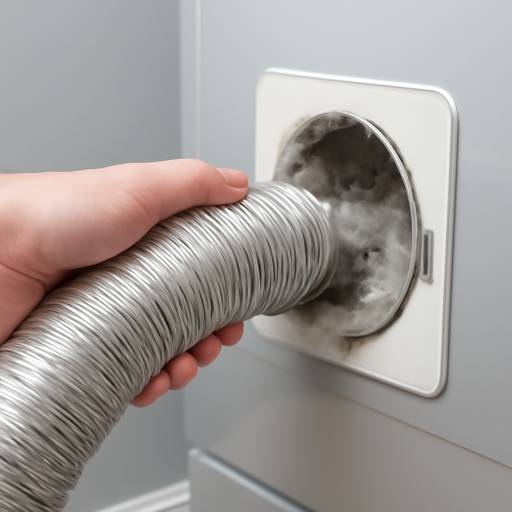
There are safe, helpful tasks you can handle between services. Always clean the lint screen before every load; if you use dryer sheets, wash the screen monthly to remove fabric softener film that can block airflow. Vacuum out the lint trap cavity and behind and under the dryer periodically. Step outside during a cycle to confirm you feel strong, warm airflow at the vent outlet and that the flap opens fully. Keep the dryer area free of clutter and ensure the machine isn’t pushed so far back that the duct kinks. For anything beyond these basics—especially long runs, attics, roofs, or vents with multiple bends—bring in a pro. The right equipment can navigate complex pathways without damaging ducting or spreading lint into the home.
How often should you schedule service? Annually is a sound rule of thumb for most households, especially those that do several loads a week. Households with shedding pets, multiple occupants, or long vent runs may benefit from cleanings every 6–12 months. Property managers should time service with unit turnovers or set a semiannual plan for laundry rooms that see heavy use. In Madison, consider scheduling before peak winter, when freezing temperatures can accentuate moisture and airflow problems. When you’re ready, look for a local specialist who focuses on Dryer Vent Cleaning and brings both the tools and experience to handle unique layouts safely and efficiently.
Local Insights for Madison, Wisconsin Homes and Businesses
Madison’s housing stock and climate create distinctive venting challenges. Many older homes have laundry in the basement, with a long horizontal run to an outside wall or a vertical rise to a higher termination. Each elbow adds “equivalent length” that reduces allowable total run and increases resistance. Installations that exceed manufacturer guidelines may rely on a booster fan, which itself requires periodic cleaning to remain effective. In winter, steam can condense and freeze at the exterior hood, sticking the damper closed; drifting snow can also block low-mounted outlets. These conditions trap moisture and lint, making routine maintenance essential.
Seasonal pests are another local concern. During spring around Madison’s green spaces and lakes, birds frequently nest in accessible exterior hoods. A nest can block nearly all airflow, raising fire risk. Rather than adding a simple screen (which can catch lint), use a pest-resistant termination designed for dryers—one that prevents wildlife entry while allowing lint to pass and the damper to move freely. Likewise, landscaping often grows around sidewall vents; keep shrubs trimmed to at least a foot away to maintain clear discharge.
Real-world scenarios highlight the impact. A Near East Side bungalow with a 28-foot vent and three elbows suffered 90-minute dry times and a laundry room that felt like a sauna. After a comprehensive cleaning, removal of a crimped transition, and a new low-resistance hood, exterior airflow more than doubled and dry time dropped to under 45 minutes. In a downtown condo near the Capitol with a rooftop termination, a stuck damper combined with lint-packed elbows led to repeated dryer shutdowns; careful roof-safe cleaning and damper replacement restored safe operation and eliminated nuisance trips. Commercial and mixed-use properties—salons, spas, and small laundries—see amplified lint production from towels and microfiber. For these sites, a documented maintenance schedule isn’t just wise; it supports code compliance and business continuity.
Madison’s energy-conscious residents also appreciate the efficiency gains. Restricted vents force electric dryers to draw more kWh per load and gas dryers to burn more fuel. Restored airflow allows moisture to escape rapidly, cutting cycle counts and runtime. That means lower utility costs, less heat buildup in conditioned space, and fewer repairs over the life of the appliance. It also reduces humidity that can aggravate odors and dust in tightly sealed homes. In neighborhoods from Westmorland to Monona, and in lakeside properties where dryers vent over longer distances, addressing lint buildup and optimizing vent design—short, smooth, and straight where possible—pays back in comfort, safety, and peace of mind.
Whether it’s the coldest week of January or a humid summer afternoon, clean, efficient exhaust flow protects your dryer and your home. In a city that values safety and sustainability, prioritizing professional dryer vent cleaning is a small step with a big impact on daily life in Madison, Wisconsin.

Oslo drone-pilot documenting Indonesian volcanoes. Rune reviews aerial-mapping software, gamelan jazz fusions, and sustainable travel credit-card perks. He roasts cacao over lava flows and composes ambient tracks from drone prop-wash samples.